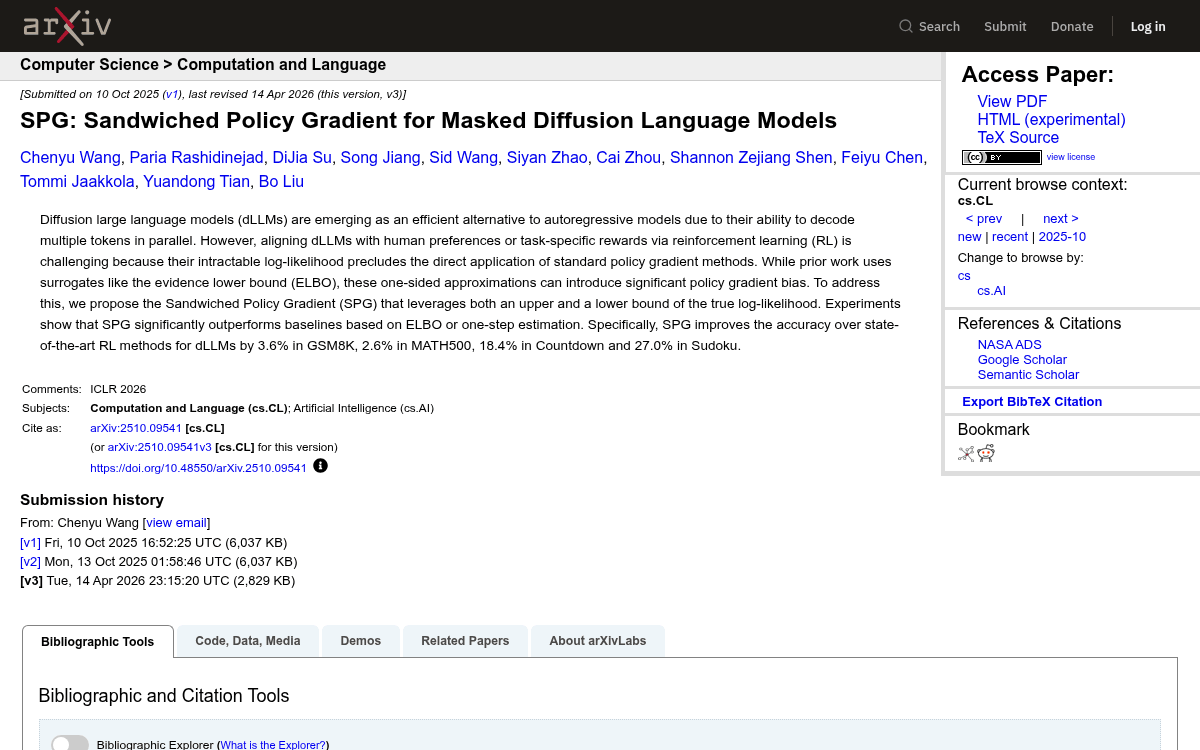
Meta's new reinforcement learning method fixes a fundamental bias in training diffusion language models, delivering up to 27% accuracy gains on reasoning benchmarks.
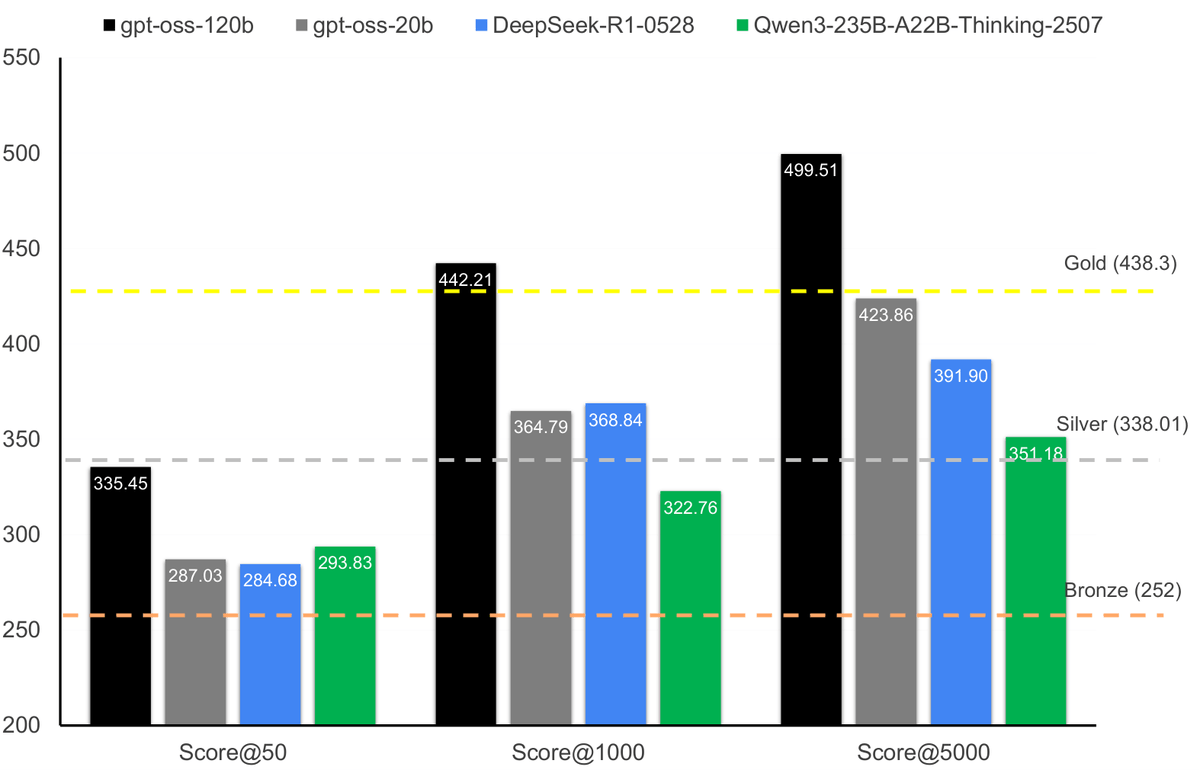
A research team demonstrates that open-weight models can hit IOI gold with a reproducible test-time compute pipeline built on generation, clustering, and tournament ranking.
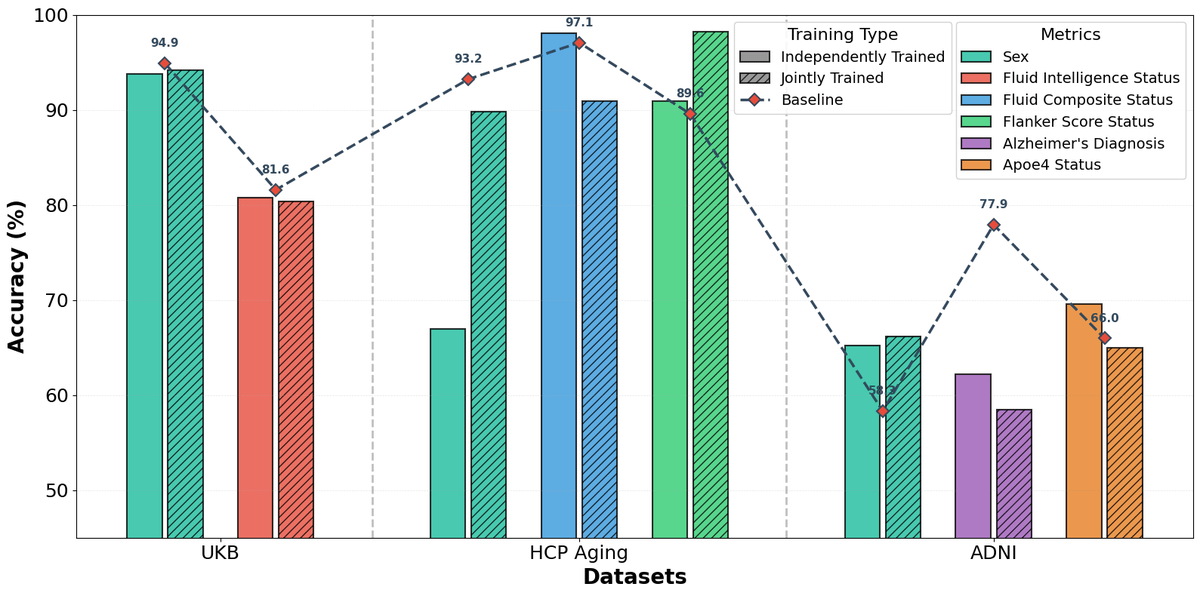
A three-stage framework translates brain scans into tokens a language model can read, hitting 94.9% on sex classification and adapting from 4 examples.
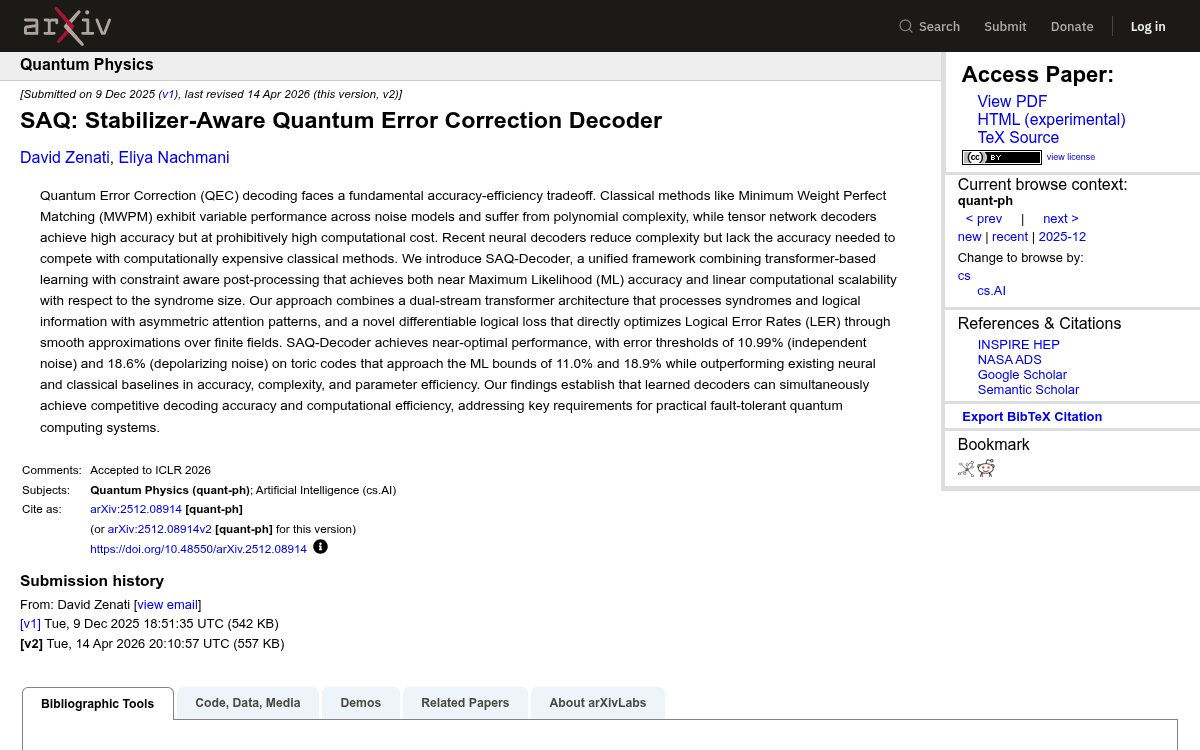
A transformer-based decoder from Ben-Gurion University hits near maximum-likelihood accuracy on quantum error correction while scaling linearly with syndrome size.
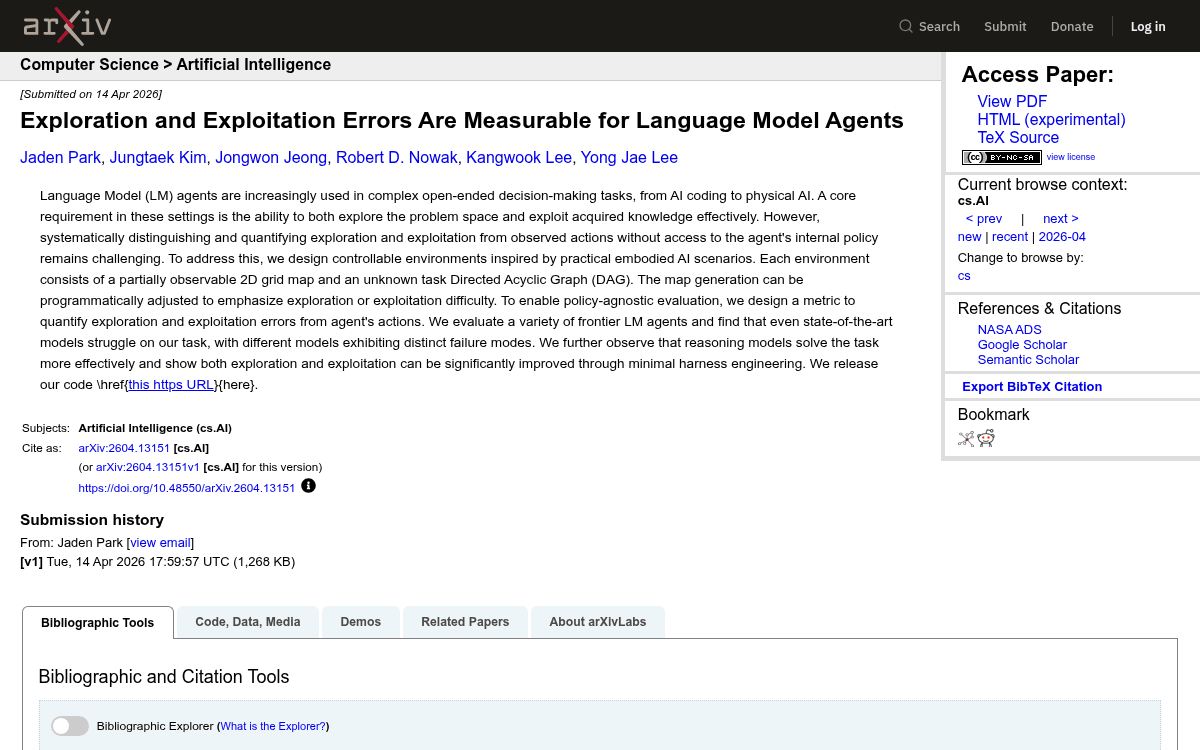
A new policy-agnostic framework separates exploration from exploitation errors in language model agents, revealing why some frontier models fail while others succeed.
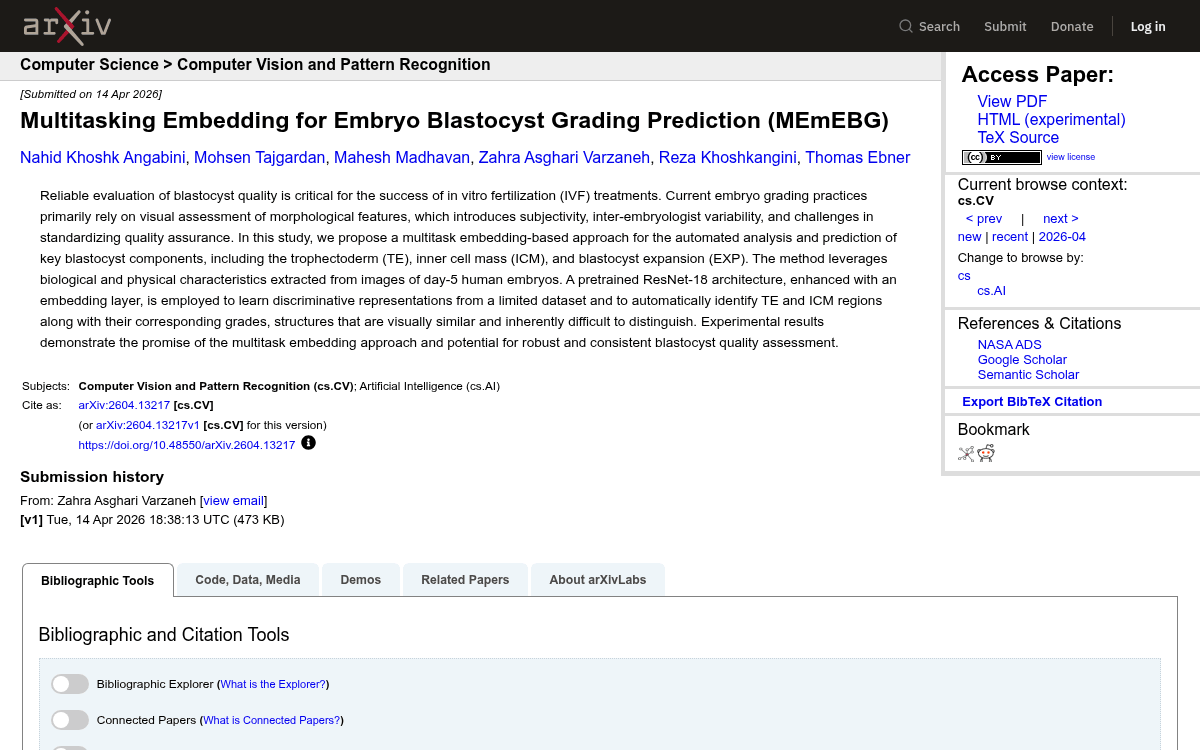
A multitask embedding model predicts three Gardner grading components of IVF blastocysts from a single day-five image, outperforming single-task baselines.
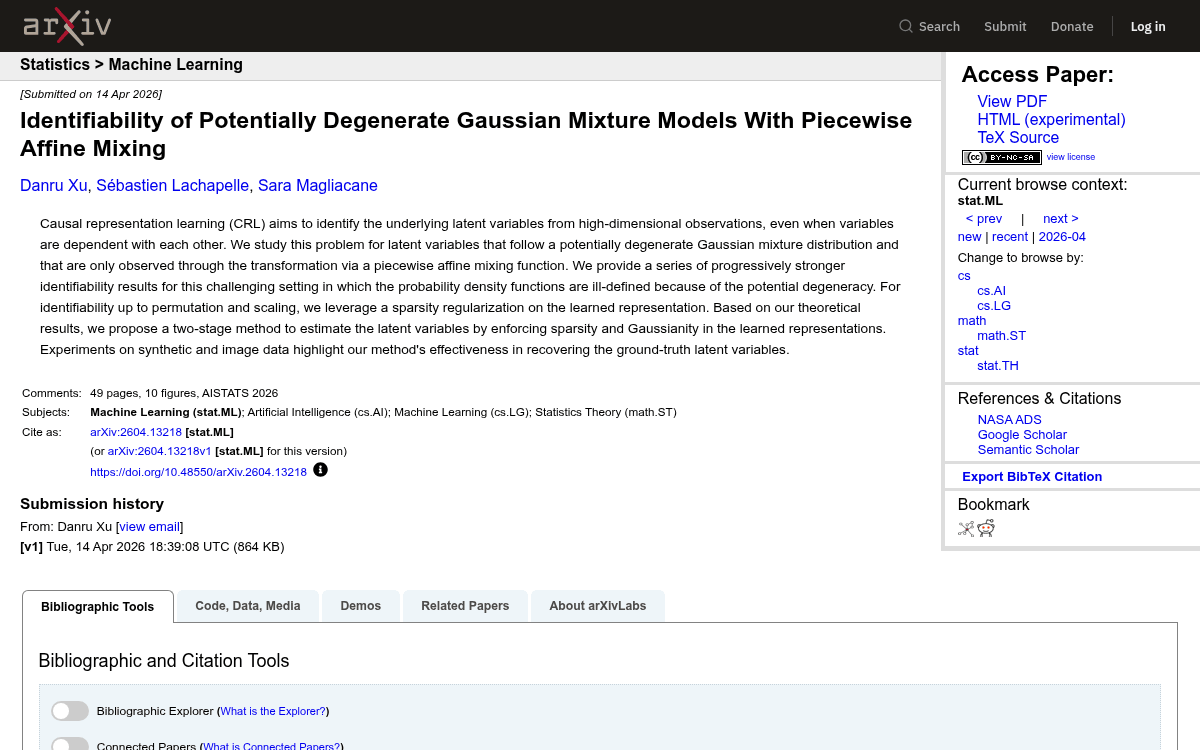
A new AISTATS 2026 result extends causal representation learning to broken density functions, using sparsity and Gaussianity to recover hidden variables.
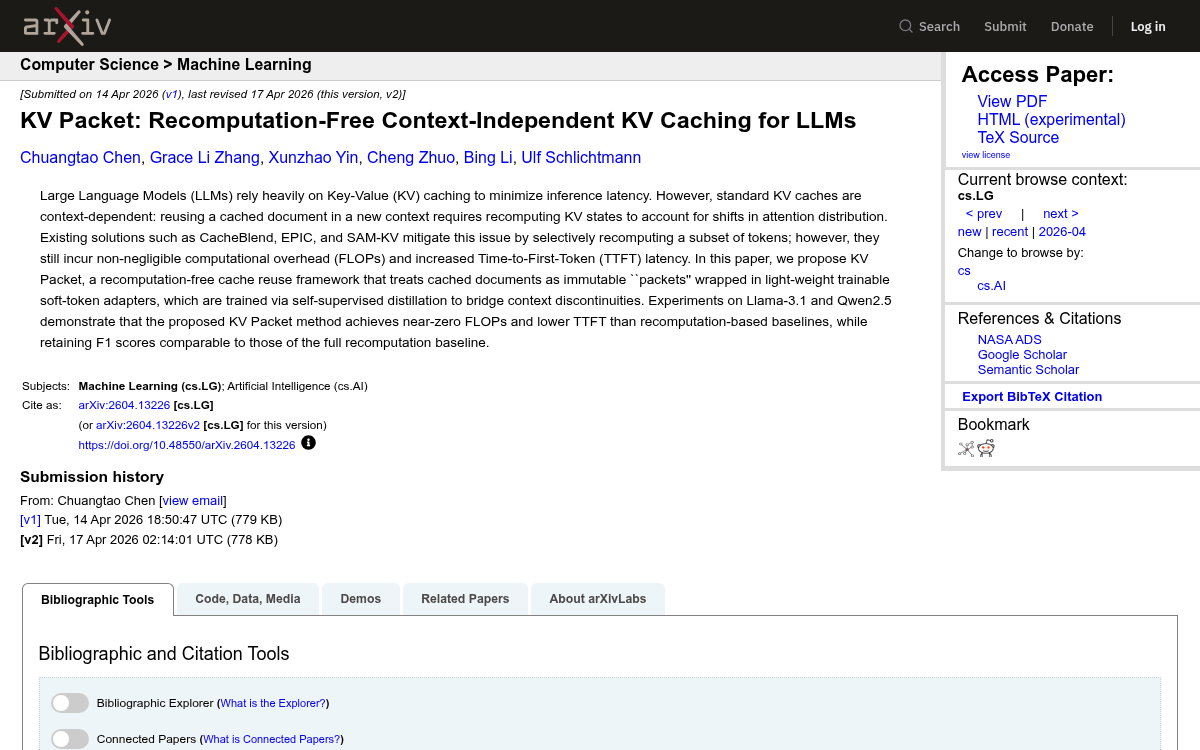
A new caching trick lets language models reuse precomputed document caches with almost zero compute overhead, cutting first-token latency by up to 19x.
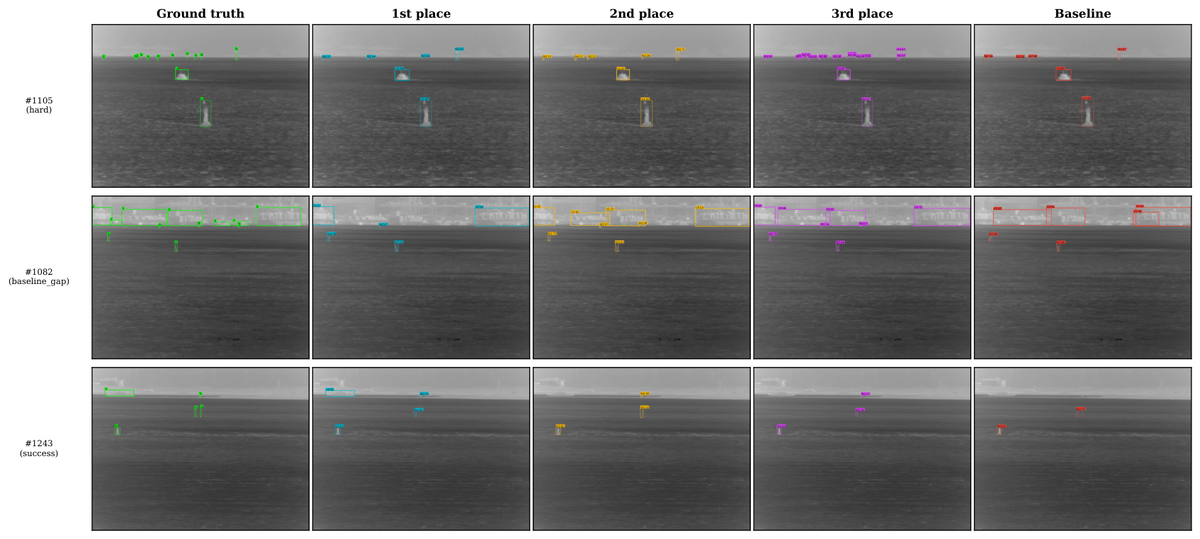
The 4th MaCVi Workshop at CVPR 2026 ran five maritime vision challenges spanning buoy association, thermal detection, panoptic segmentation, and multimodal fusion.
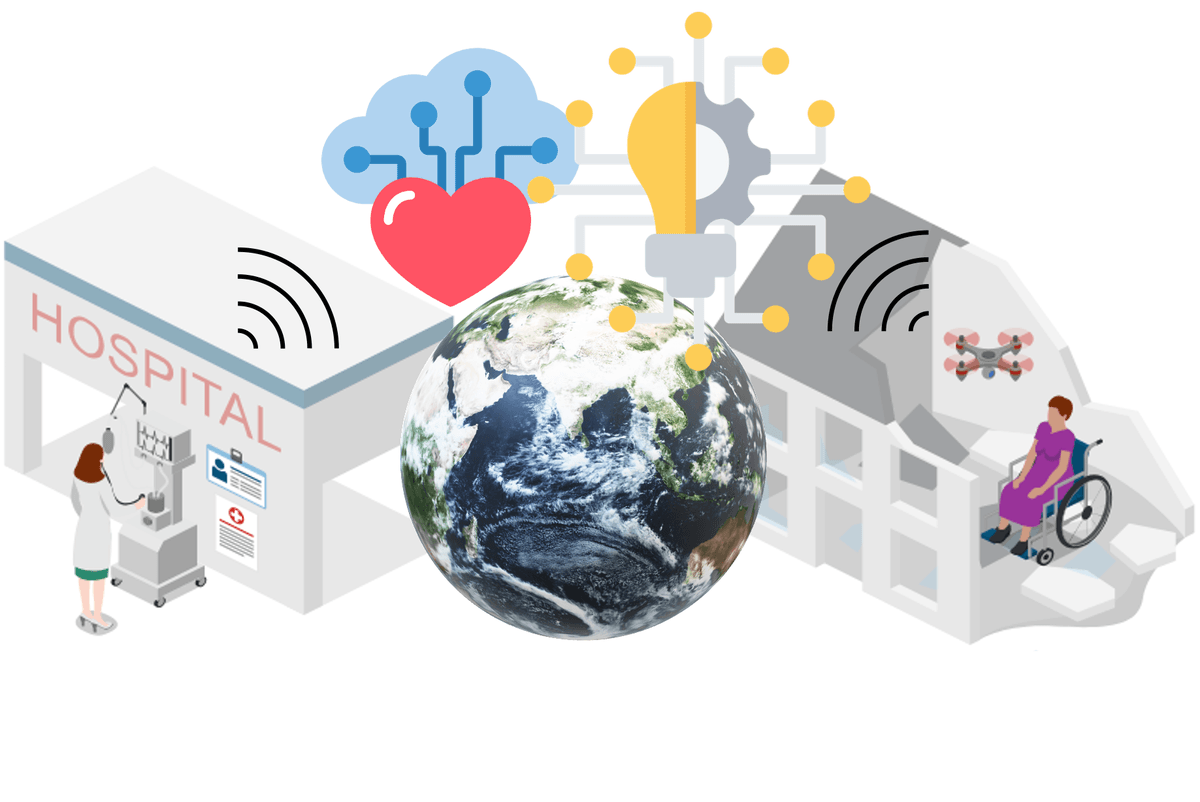
A layered digital twin architecture unites visual geolocalization, adaptive navigation, and AI triage to keep medical robots effective when GPS and comms fail.
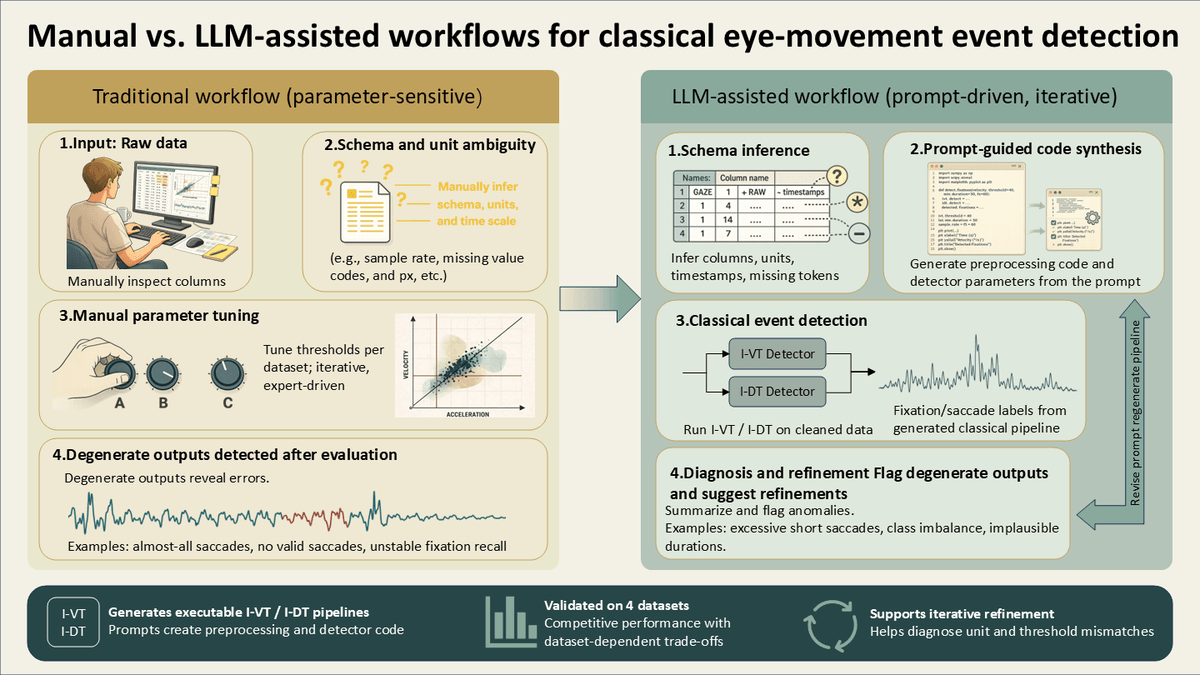
A new framework turns eye-tracking analysis into a natural-language conversation, letting non-programmers run classical fixation and saccade detectors through prompts to ChatGPT-4o.
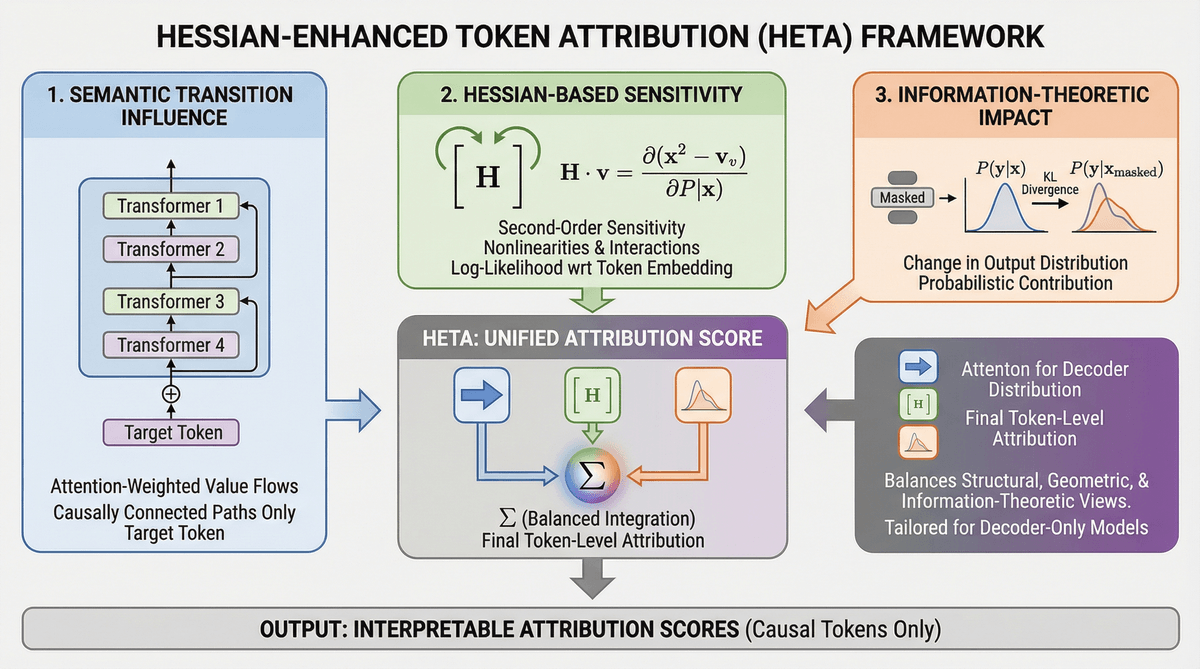
A new attribution framework blends causal attention flow, second-order curvature, and information-theoretic masking to explain decoder-only LLM outputs.
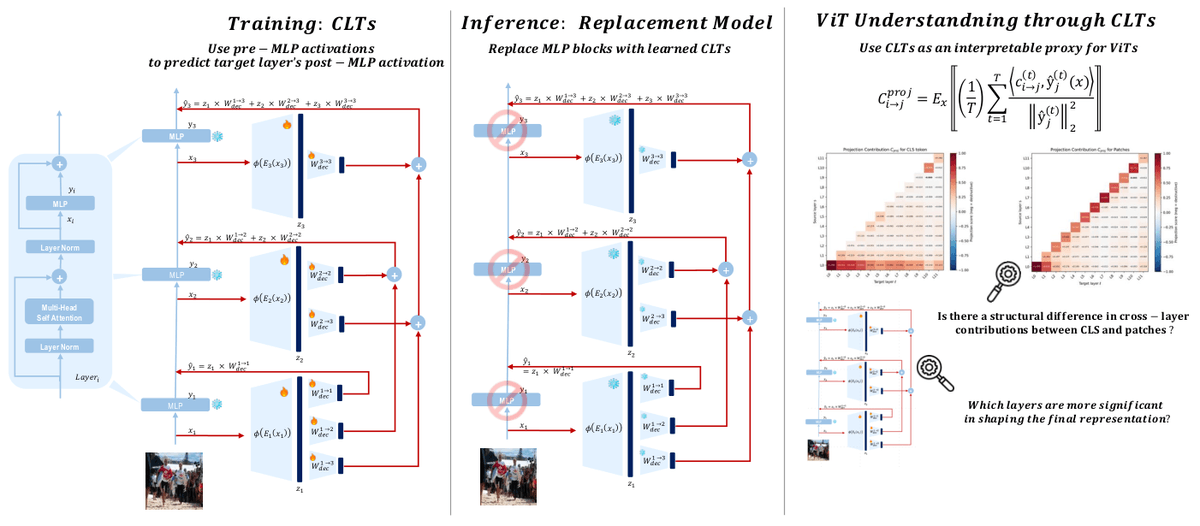
A new interpretability framework decomposes Vision Transformer representations layer by layer, exposing where CLIP actually stores its visual knowledge.