

Suno Flips its Biggest Blocker, Believe, Into a Global Music Partner
Suno strikes a global licensing deal with Believe and TuneCore, reversing an April ban and opening opt-in training plus distribution for indie artists.
- Suno signs global strategic partnership with Believe and TuneCore, reversing April's distribution ban.
- Participating indie artists can opt in to training Suno's next licensed music model.
- All tracks from Suno's industry-partner model become eligible for TuneCore distribution again.
- Compensation reportedly takes the form of a revenue share for participating rights holders.
- Believe joins Warner Music Group and BMG as licensed partners on Suno's upcoming model.
- Universal and Sony copyright lawsuits against Suno remain unresolved.
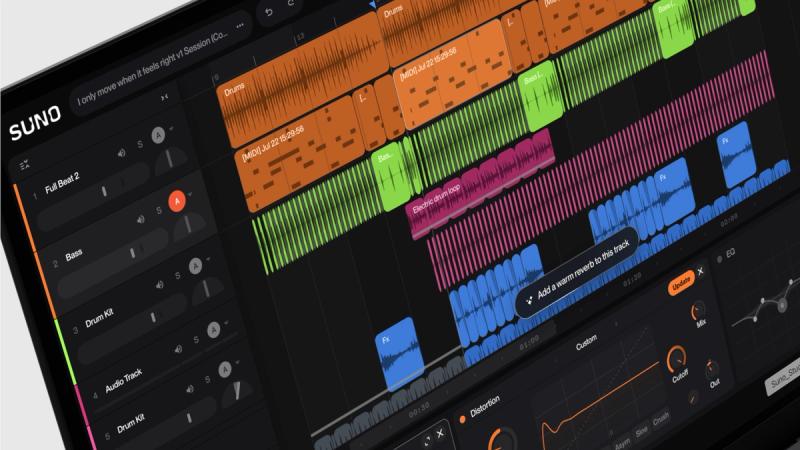
Suno just closed one of the more surprising loops in the generative music saga. The AI music startup announced a global strategic partnership with Believe and TuneCore, the same distributor that spent the spring blocking Suno-made tracks from reaching Spotify, Apple Music, and other DSPs. The deal folds independent artists into Suno's next-generation, industry-trained model and reopens distribution for songs generated on the platform.
Believe is a French-headquartered artist development company; TuneCore is its DIY distribution arm used by self-releasing artists worldwide. The partnership lands just over four months after Believe began blocking AI-generated tracks from Suno, and covers "participating repertoire" from both companies on a global basis.
Two mechanics, both opt-in
Artists and labels choose whether to participate on either side of the agreement:
- Music from participating Believe and TuneCore artists will feed into Suno's new industry-partnered model. TuneCore artists must explicitly consent before any of their content enters training.
- Tracks created with Suno's new model become eligible for distribution through Believe and TuneCore.
- Compensation takes the form of a revenue share, according to a source who spoke with Billboard.
From block list to partner list
In April, Believe drew a hard line against what it called "pirate studios," a category that included Suno, which still faces active copyright litigation from Universal Music Group and Sony Music Entertainment. CEO Mikey Shulman acknowledged the awkward history directly, framing the deal as the outcome of "candid conversations" between two camps that started far apart.
The commercial logic is hard to ignore. A recent review of 1,551 AI-generated recordings found that more than 90% of the most popular AI tracks on DSPs were made on Suno, with over 75% distributed through DistroKid. That gives you a sense of the volume Believe was previously turning away, and why a licensed pipeline beats a permanent ban.
Where this fits in Suno's licensing strategy
Believe is the third major partner Suno has secured ahead of its next model release. Warner Music Group settled its copyright lawsuit against Suno in November 2025, in a deal that also saw Suno acquire concert-discovery platform Songkick from WMG. BMG followed on August 12, signing a global agreement covering recorded and publishing repertoire that also settled Suno's past use of BMG's catalog. Universal and Sony remain in active litigation.
Suno has also rolled out audio watermarking and fingerprinting to identify tracks off-platform, plus download caps designed to prevent mass uploads to DSPs. Those protections will extend to tracks distributed via Believe and TuneCore.
What this means if you build with audio models
For anyone working on generative audio, the licensed-training era is arriving fast. A few things worth tracking:
- Suno's next model will train on cleared catalog from WMG, BMG, and now indie repertoire through Believe, giving it a data provenance story unlicensed competitors cannot match.
- Distribution is the choke point. A strong model produces nothing useful if DSPs reject its output, which Believe's April block demonstrated in real time.
- The opt-in revenue-share structure looks like an emerging template: artists contribute training data, receive a share of proceeds, and gain a shortcut into distribution. ElevenLabs and Udio, both of which have signed music licensing agreements with Believe, are likely to push similar arrangements.
Shulman said the new models will launch "very soon." Whether AI music can be trained on licensed data is now a settled question. How quickly the surrounding infrastructure, watermarking, royalty accounting, DSP policy, catches up to make that training useful at scale is the open one.
Comments
