

Saar-Voice Tackles German Dialect AI Left Behind by Standard Models
A new six-hour German dialect corpus tackles the awkward problem of training speech models when a language has no agreed-upon spelling.
 PRO
- Saar-Voice releases six hours of Saarbrücken German dialect speech from nine speakers on Hugging Face.
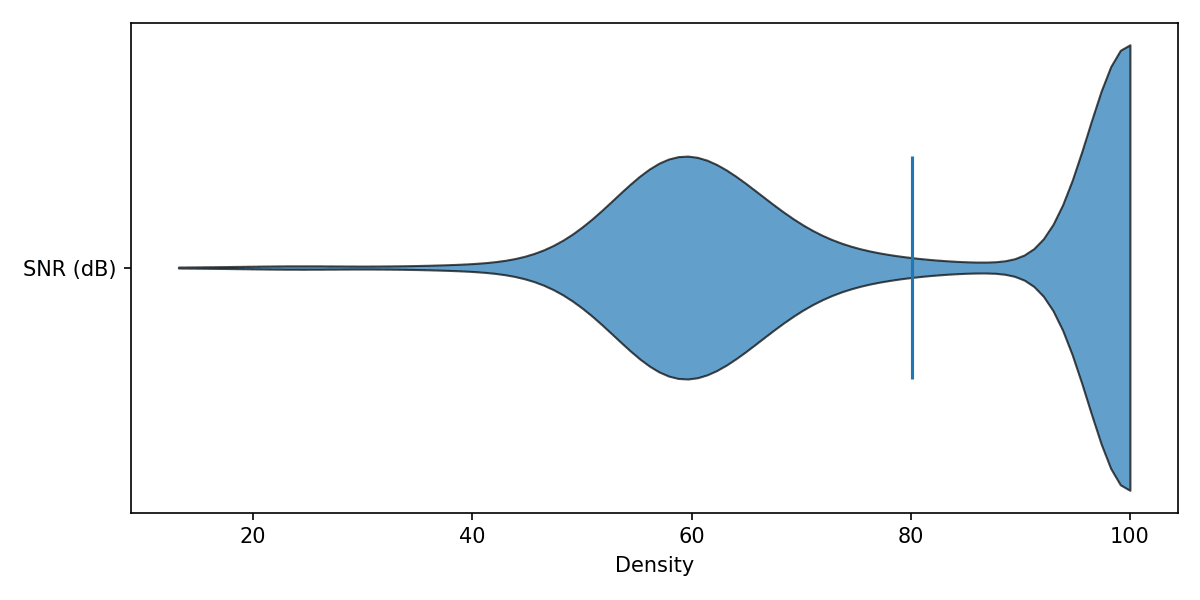
- 4,871 utterances recorded in a soundproof booth at 44.1 kHz, most with SNR values in the clean-audio range.
- Text sourced from four OCR'd dialect books, community authors, and 101 localized MASSIVE translations.
- Epitran G2P finds 38 distinct phonemes but mis-predicts vowel length, schwas, and dialect-specific double consonants.
- No standard orthography exists: the same word can be spelled six different ways by different authors.
- Aimed squarely at zero-shot and few-shot adaptation of multilingual TTS models like XTTS and ZMM-TTS.
Most speech and language models are trained almost exclusively on standardized varieties of major languages, which means anyone speaking a regional dialect gets second-class results from ASR, TTS, and LLMs alike. A new corpus called Saar-Voice chips away at that gap for one specific case: the Saarbrücken dialect of German, a Rhine Franconian variety spoken in the small German state of Saarland.
By modern standards the scale is modest, and that is fine because the point is methodology, not size. The corpus contains roughly six hours of speech across 4,871 utterances from nine participants, with an average sentence length near four seconds and durations from two to 14 seconds. What makes it worth a look is how the team assembled a speech corpus for a dialect that has no standard written form.
Why standard German models trip on Saarländisch
Saarland has about 1 million inhabitants, and Germany as a whole has strong dialectal usage that mainstream NLP largely ignores. Before this release, coverage of Saarbrücken specifically was almost nonexistent aside from a small slice inside the massively multilingual Bible-MMS dataset.
A dialect goes well beyond accent. The Saar-Voice authors emphasize that dialects diverge from the standard language on multiple linguistic levels, including orthography and phonology, morpho-syntax (case and gender markers can differ), and lexical items borrowed from other etymologies (for instance Troddwaa for sidewalk, from French trottoir). A speech model tuned on Standard German will mispronounce, misparse, or miss these entirely.
This story is for Pro members
You've reached the end of the free preview. Upgrade to AlphaSignal Pro to read the full article - and everything else behind the paywall.
Comments
