



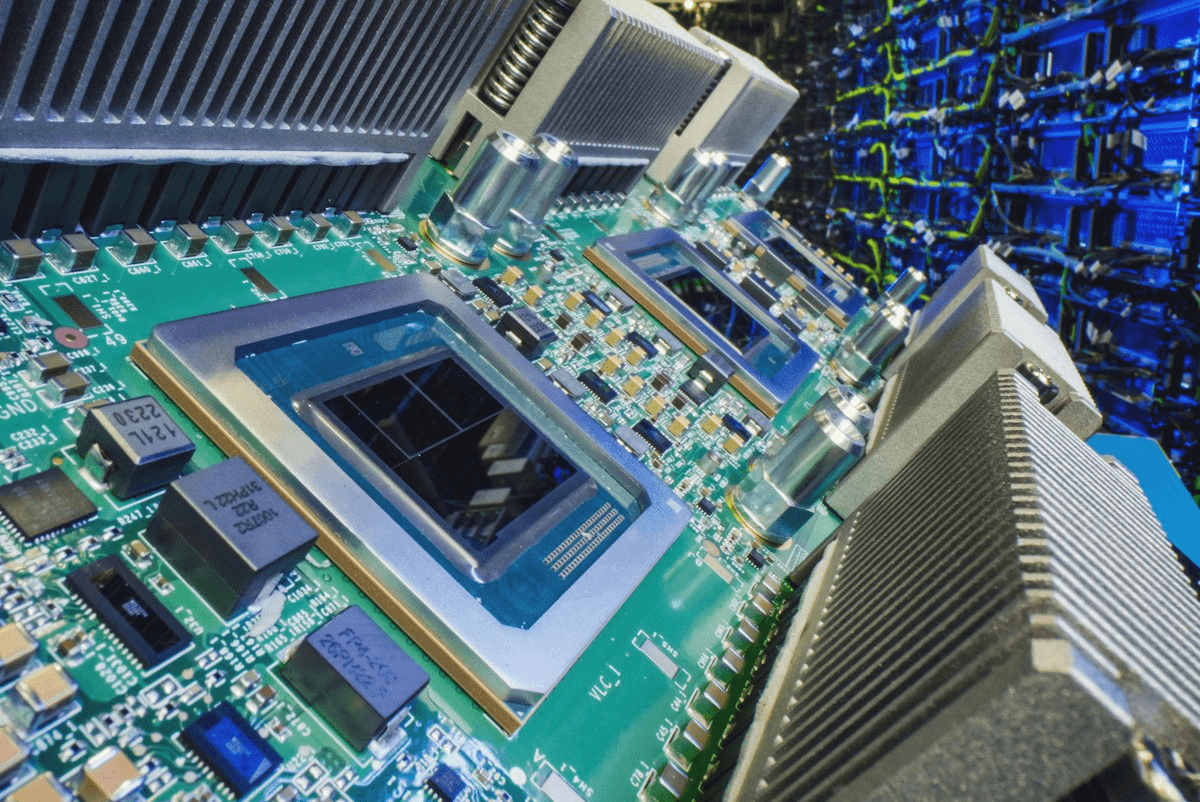
Google just launched the TPU Developer Hub, a centralized learning portal designed to help teams actually get performance out of Cloud TPUs, not just provision them. The hub covers the full model lifecycle, from architecting massive pre-training clusters to squeezing latency out of production inference, with code-first guides, interactive Colabs, and open-source recipes.
The problem it solves
TPUs have long had a reputation problem: the hardware is exceptional, but the path from "I have a PyTorch model" to "it's running efficiently on a TPU pod" has been painful. Traditionally, Google only had first-class support on the JAX/XLA stack, and treated PyTorch on TPU as a second-class citizen, relying on lazy tensor graph capture through PyTorch/XLA. Scattered documentation, unfamiliar tooling, and a steep learning curve kept many teams on GPUs even when TPUs would have been the better economic choice.
In 2026, a large fraction of the world's frontier AI models runs on silicon almost nobody writes low-level code for. While the GPU ecosystem produces a torrent of CUDA kernels and Triton blog posts, Google's TPU hums along underneath Gemini, the Vertex AI stack, and a growing slice of third-party training workloads, mostly invisibly. The Developer Hub is Google's attempt to change that.
What's in the hub
The hub is described as a code-first, agent-friendly resource for ML developers, meaning the content is structured to be consumed both by humans browsing manually and by AI coding assistants pulling in context. It covers five major areas:
- Hardware architecture: Understanding TPU design, memory hierarchy (VMEM scratchpad vs HBM), and how to pick the right infrastructure tier, from bare-metal kernels to managed Cloud TPU services.
- Software stack: The XLA compiler, JAX AI stack, and the new TorchTPU backend. TorchTPU enables developers to migrate existing PyTorch workloads to TPU with minimal code changes.
- Tracing and debugging: XProf tooling to gain granular visibility into workloads and pinpoint performance bottlenecks with precision.


Don't miss what's next in AI
Join 300,000+ engineers and researchers who get the signal, not the noise.
- Full access to in-depth AI research breakdowns
- Be the first to know what's trending before it hits mainstream
- Daily curated papers, repos, and industry moves