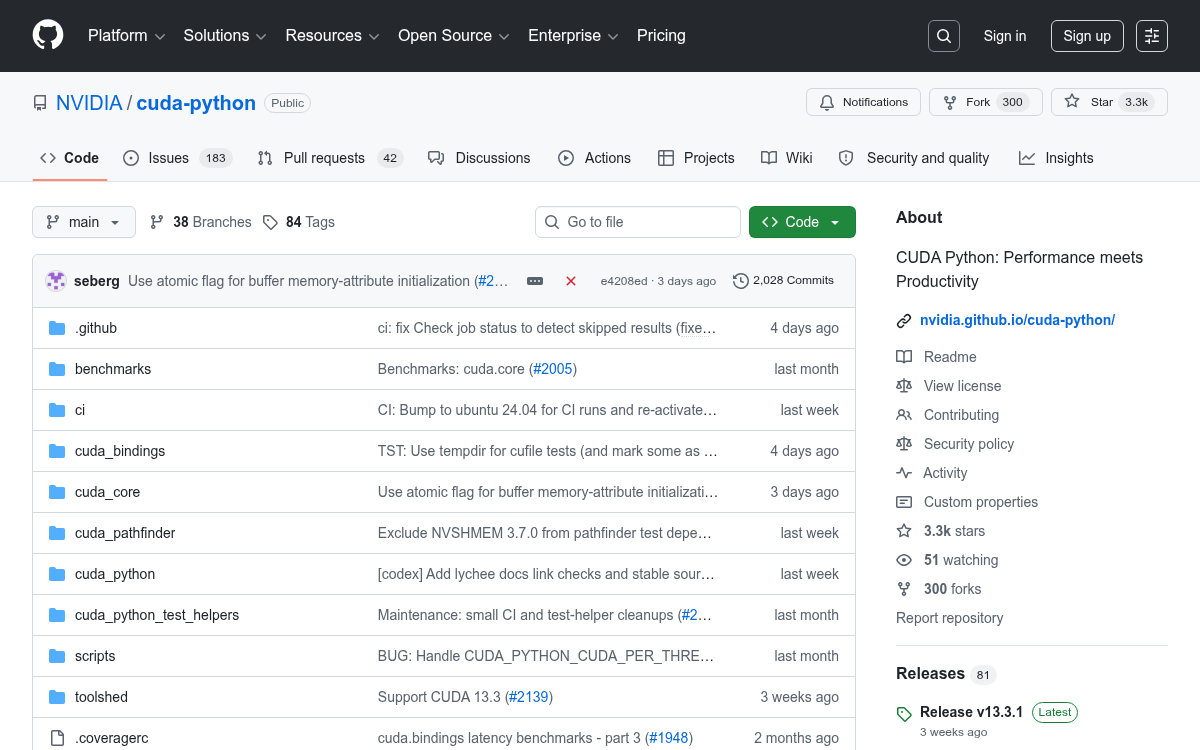
CUDA Python hits 1.0 with CUDA 13.3, making Python a first-class citizen alongside C++ with stable APIs, green contexts, and a new MLIR-based Numba backend
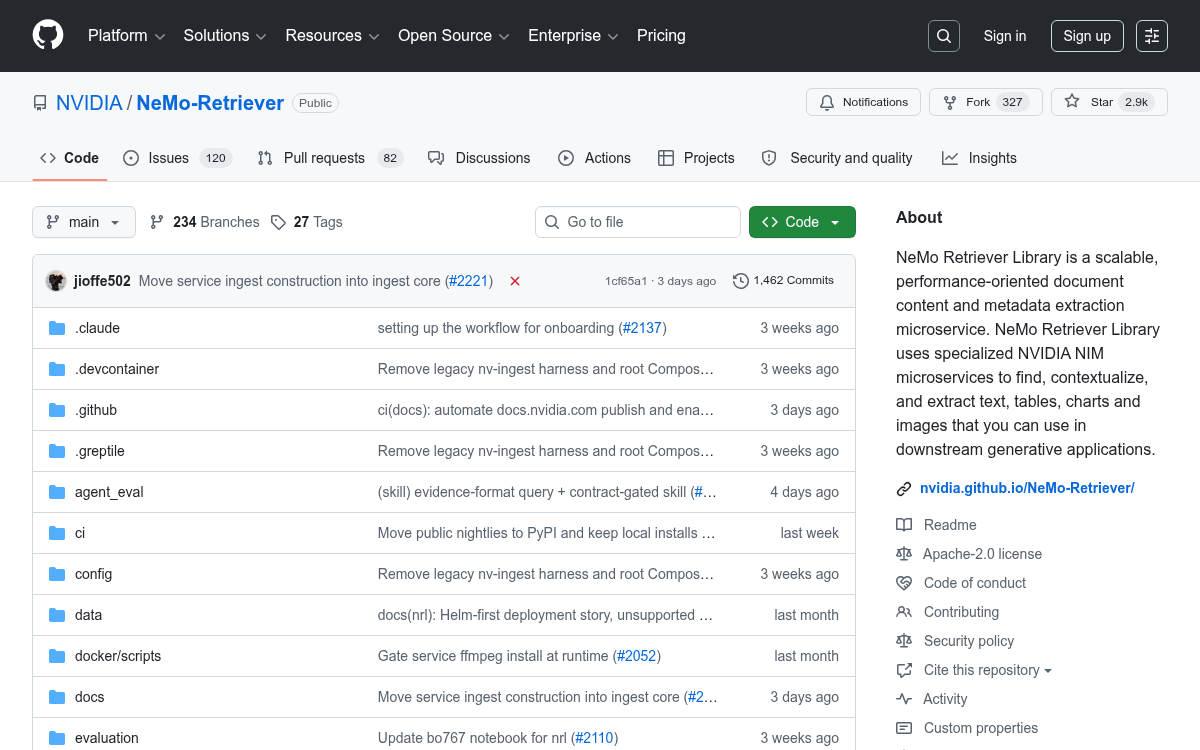
NVIDIA rebrands its nv-ingest document extraction tool as NeMo Retriever Library, expanding scope to audio, video, and a cleaner Python API for multimodal RAG pipelines.
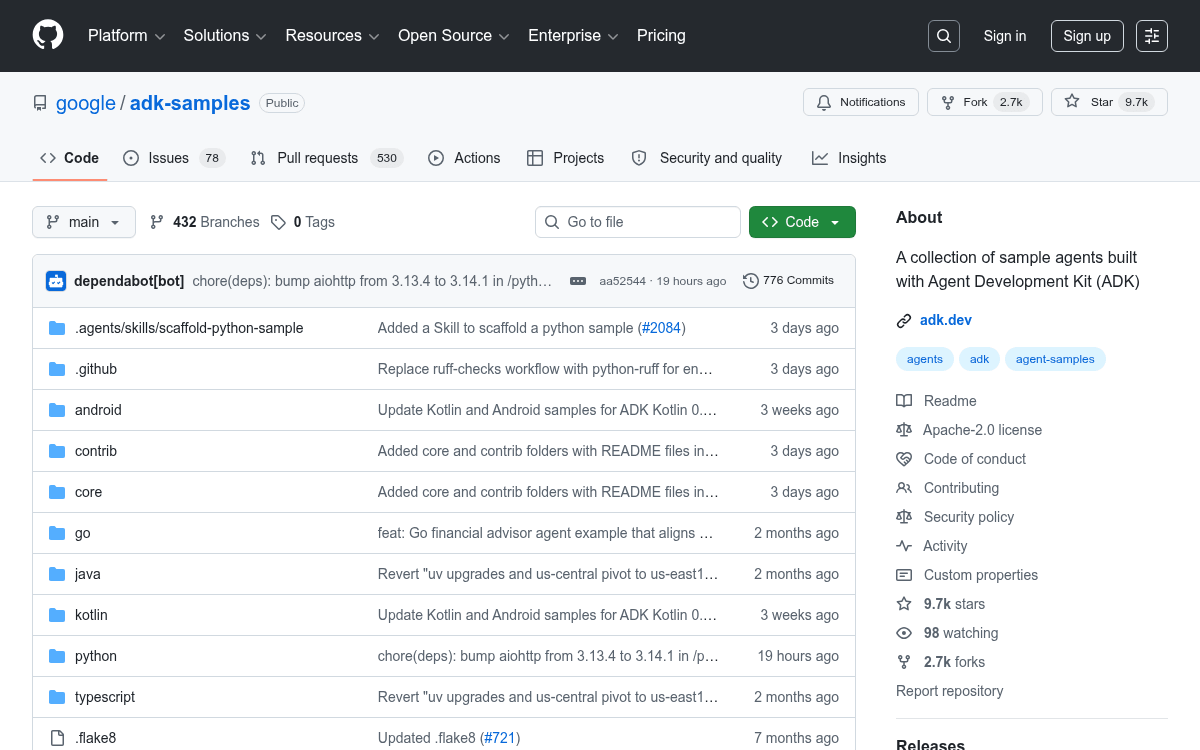
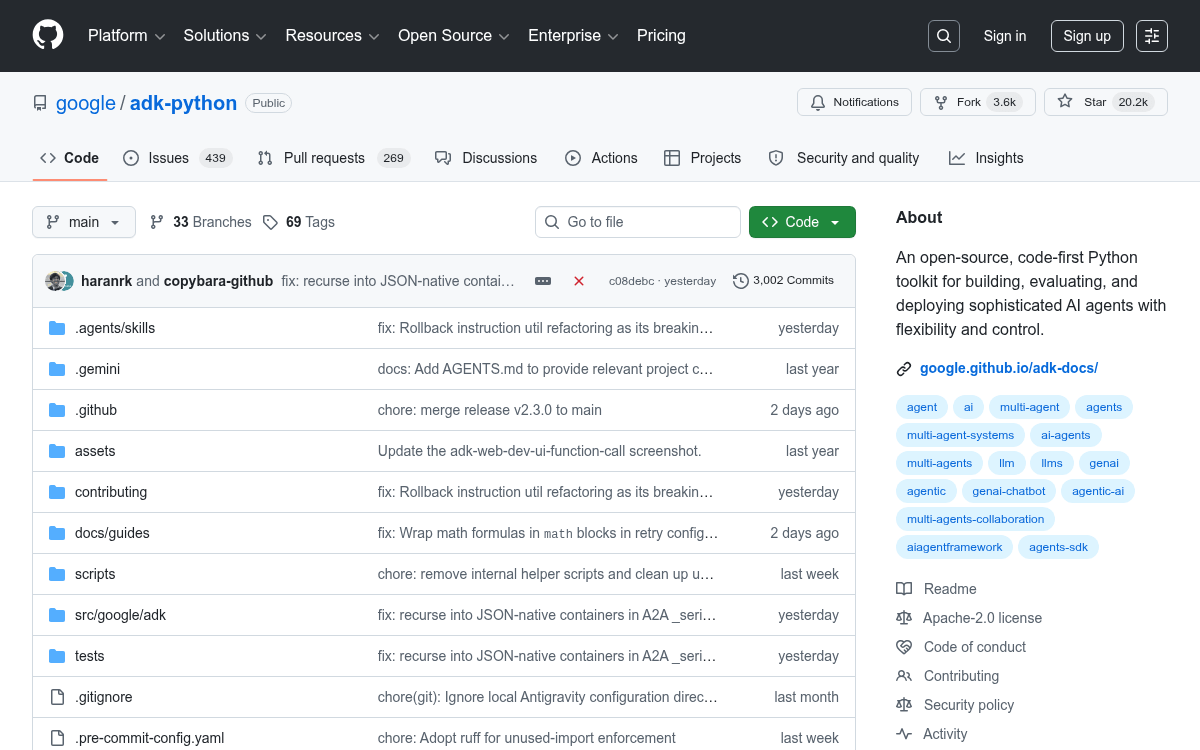
Google's adk-samples repo offers 30+ production-ready agent blueprints across Python, Go, Java, and TypeScript — covering everything from medical pre-authorization to supply chain optimization.
A community team shipped an MIT-licensed reimplementation of Google's PaperBanana paper, wrapping the five-agent diagram pipeline in a CLI, Python API, Gradio studio, and MCP server.
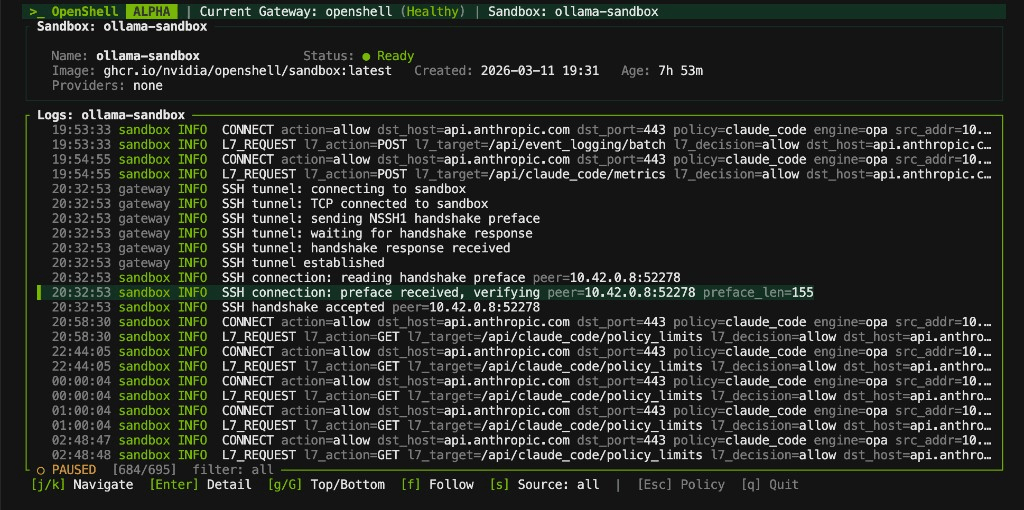
NVIDIA's open-source OpenShell gives autonomous AI agents a kernel-enforced sandbox with hot-reloadable YAML policies, solving the enterprise deployment gap.
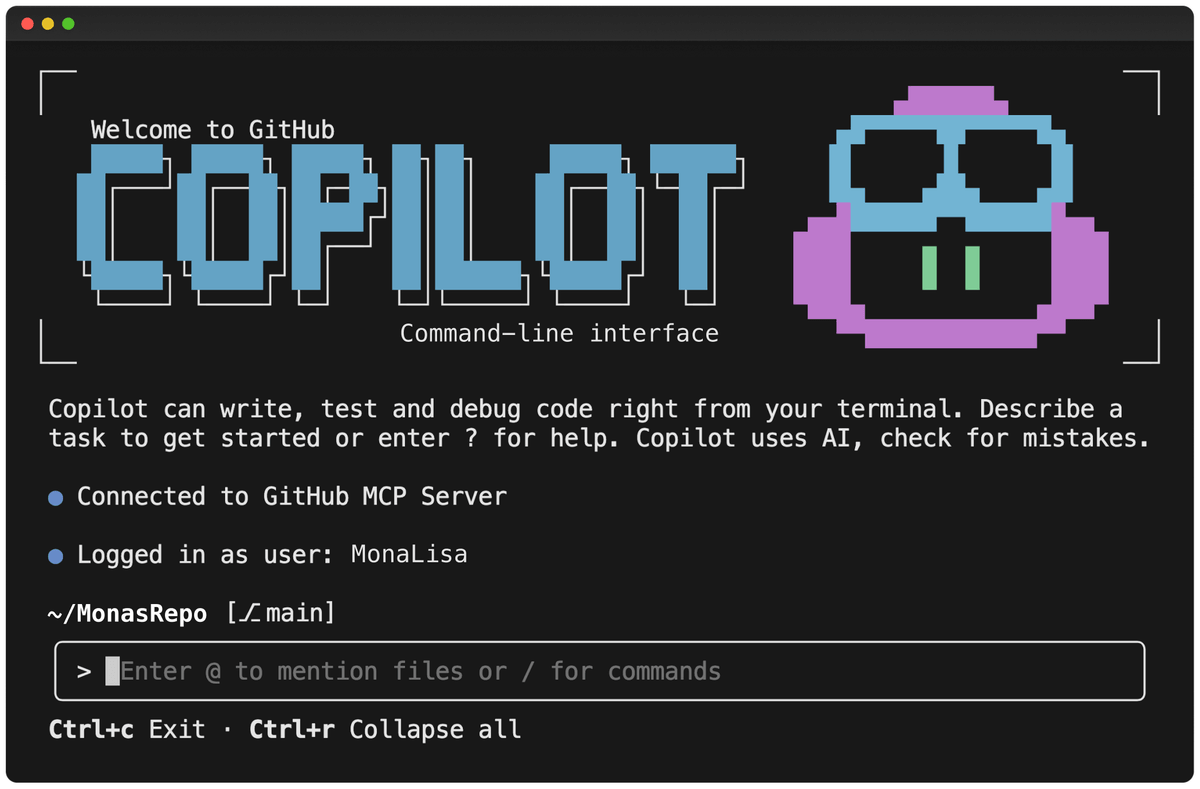
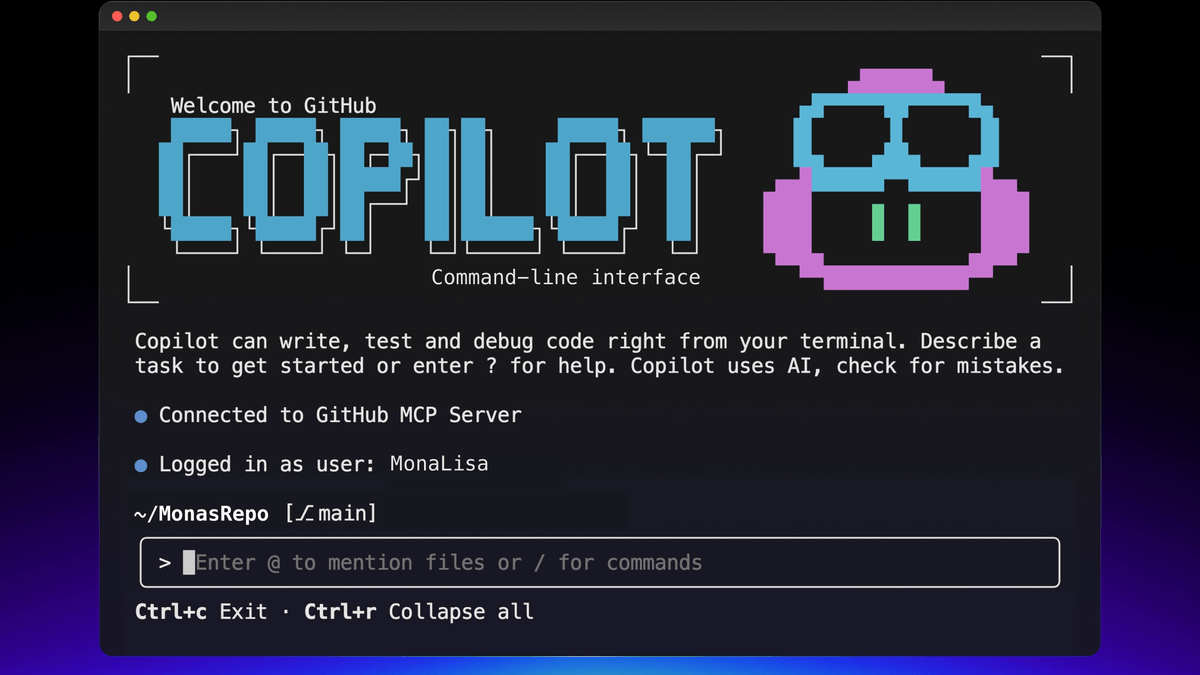
GitHub Copilot CLI brings a full agentic coding assistant to your terminal, with voice input, rubber duck review, prompt scheduling, and multi-model support
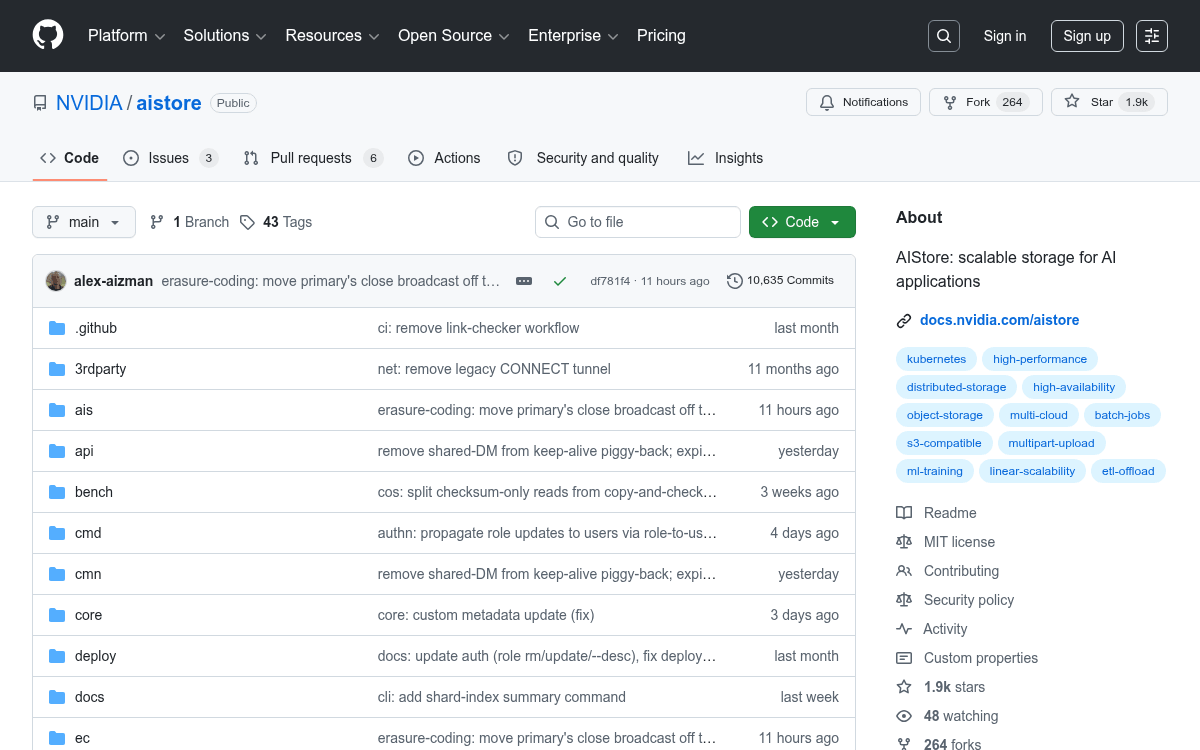
NVIDIA's open-source AIStore hits v4.7 with a production-hardened Get-Batch API, TAR shard indexing, and S3-compatible distributed object storage built for petascale ML training.
Cerebras brings Google DeepMind's Gemma 4 to its wafer-scale hardware, hitting 1,500+ tokens per second — 15x faster than Claude Haiku — and launches a $5,000 hackathon to celebrate.
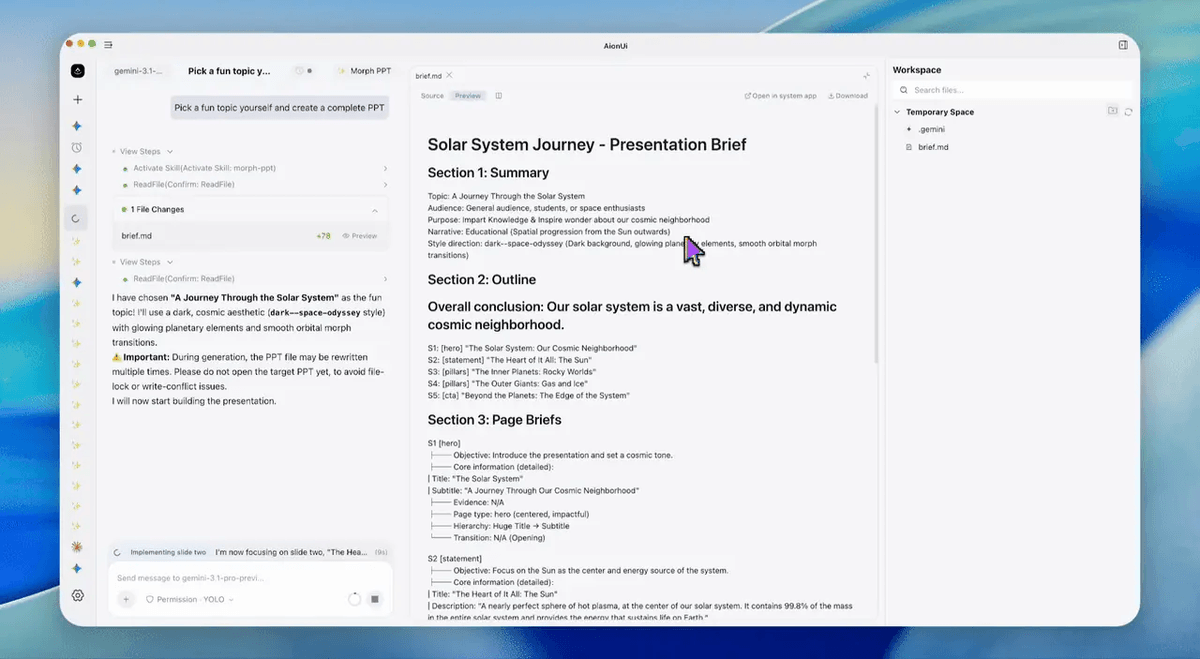
OfficeCLI is a free, open-source single binary that lets AI agents read, write, and automate Word, Excel, and PowerPoint files — no Office installation needed.
Browser Use launches workflow-use, an open-source tool that records browser actions once and replays them as deterministic, self-healing scripts — no LLM needed at run time.
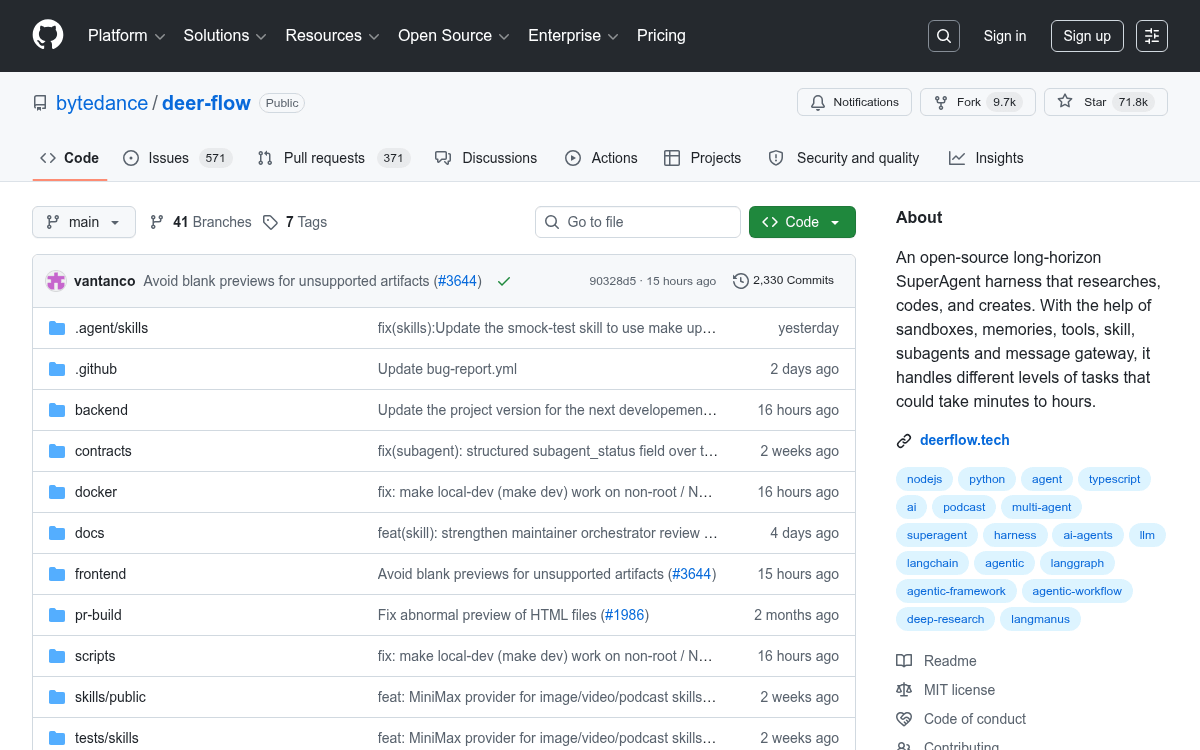
ByteDance's DeerFlow 2.0 is a fully open-source, self-hostable super-agent harness that gives AI a real computer — sandboxes, persistent memory, parallel sub-agents, and extensible skills included.
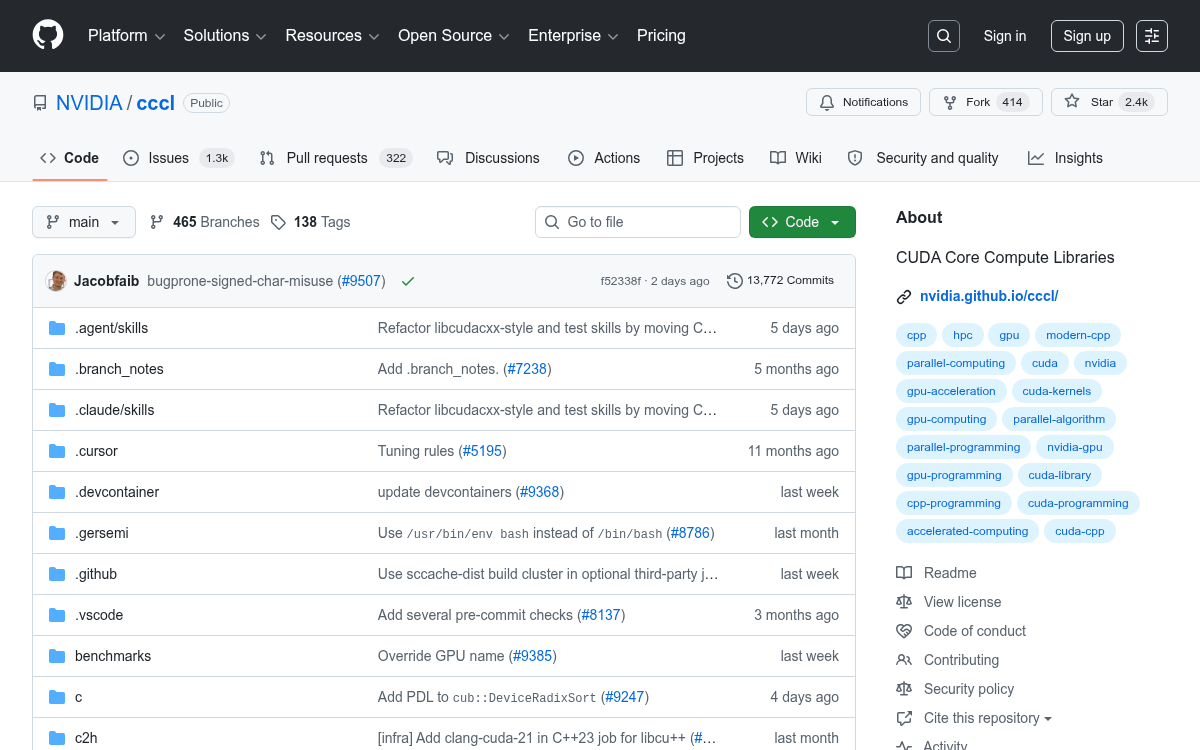
NVIDIA's CUDA Core Compute Libraries unify Thrust, CUB, and libcudacxx into a single standard library for GPU programming, now with Python APIs and deterministic reductions