
OpenAI's GPT-5.5 Instant Gets Smarter at Reading Between the Lines
OpenAI ships a new GPT-5.5 Instant with sharper intent understanding, fewer hallucinations, and smarter personalization for ChatGPT's most-used model

Takeaways
- New GPT-5.5 Instant rolling out today to paid ChatGPT users, tomorrow to free users, with better intent understanding and response quality.
- 52.5% fewer hallucinations on high-stakes prompts in medicine, law, and finance vs. GPT-5.3 Instant (internal eval).
- Less over-formatting: Fewer bullet-heavy, overly long responses; model now better matches response style to the task.
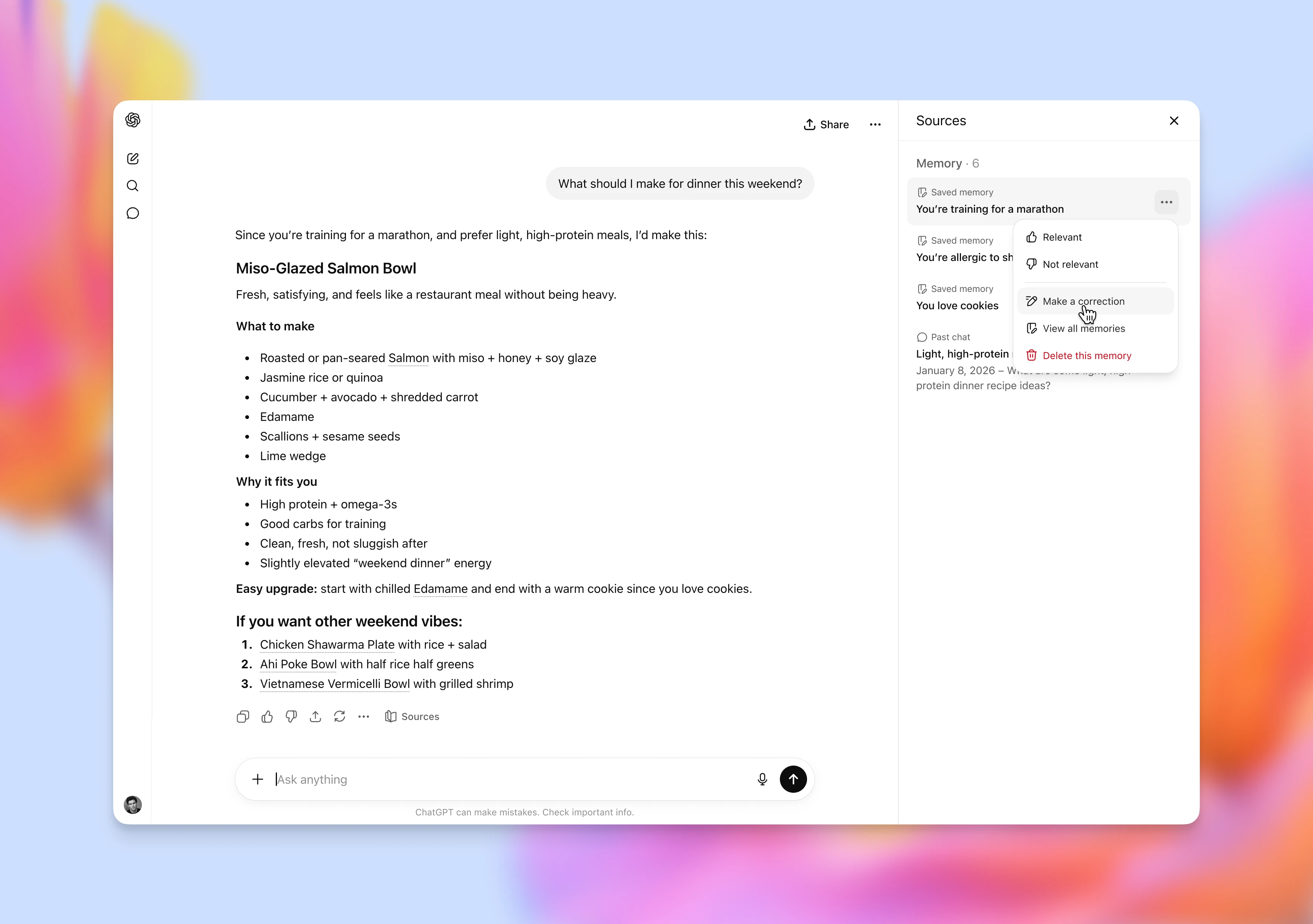
- Smarter personalization: Better use of past chats, uploaded files, and Gmail context; new "memory sources" panel shows what shaped each response.
- API change:
chat-latestnow points to the new GPT-5.5 Instant; GPT-5.3 Instant stays available for paid API users for 3 more months. - Canvas removed from GPT-5.5 Instant and Thinking; writing and coding now handled via inline blocks in chat.
GPT-5.5 Instant just got a meaningful refresh. OpenAI is rolling out a new version of its default ChatGPT model today, targeting the things that matter most in everyday use: understanding what you actually mean, handling complex multi-part requests more reliably, and making recommendations that feel genuinely useful rather than generic. The update is live for paid users now, with free users getting it tomorrow.
The model everyone actually uses
Because Instant is the daily driver for hundreds of millions of people, small improvements make a big difference. This isn't a frontier research model -- it's the workhorse that handles the vast majority of ChatGPT traffic. OpenAI has been iterating on it steadily: GPT-5.5 Instant was first rolled out as ChatGPT's default on May 5, and a prior style-quality update shipped on May 28 to improve conversational quality. Today's update is another pass at the same goal: making the model feel less like a tool and more like a capable assistant that actually gets you.
What actually changed
The headline improvements are about intent and reliability. OpenAI says the model is now better at reading between the lines of a question and adapting its response format and depth accordingly. The specific areas called out:
- Intent understanding: Better at inferring what you're actually trying to accomplish, not just answering the literal question asked.
- Complex constraints: More reliable when a prompt has multiple conditions -- think "find me a restaurant that's kid-friendly, open late, and within 10 minutes of downtown."
- Shopping and local recommendations: Responses are more cohesive and actionable rather than a generic list.
- Response style: The update improves response style and quality -- responses are now easier to read, more natural in everyday conversations, and better paced in practical help tasks, with fewer overly long or bullet-heavy responses.
That last point is worth emphasizing. OpenAI research lead Michelle Pokras noted that "the previous model was too bullet-pilled" and that the new one improves on sycophancy, factuality, and multilingual performance. The model was over-formatting responses with nested bullet points where a direct paragraph would have worked better.
The hallucination numbers
The factuality improvements from the original GPT-5.5 Instant launch are worth recapping since this update builds on them. Instant is now more dependable, with significant improvements in factuality across the board and the largest gains in domains where accuracy matters most -- in internal evaluations, GPT-5.5 Instant produced 52.5% fewer hallucinated claims than GPT-5.3 Instant on high-stakes prompts covering areas like medicine, law, and finance. On tough conversations users had previously flagged for factual errors, inaccurate claims dropped by 37.3 percent.
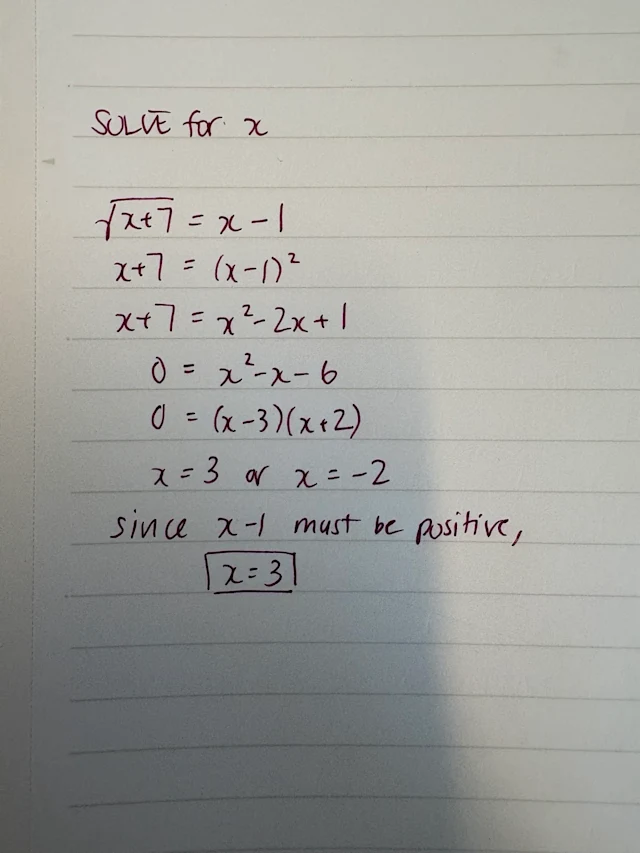
OpenAI illustrates this with a concrete example: a user uploads a photo of handwritten algebra with a mistake. GPT-5.3 Instant initially agreed with the solution, then noticed x=3 didn't work but wrongly concluded there was no real solution. GPT-5.5 Instant also agreed with the user's math at first, but then caught the error in how the user had rearranged the equation and solved the corrected quadratic. The difference isn't just catching errors -- it's recovering correctly from them.
Personalization gets more transparent
The model also makes better use of context from past chats, uploaded files, and connected Gmail accounts when those features are turned on. GPT-5.5 Instant is reportedly better at judging when extra personalization actually helps a response, and it searches previous conversations faster. The practical effect: you don't have to re-explain your preferences or context as often.
Alongside this, OpenAI introduced a "memory sources" feature. A new "memory sources" feature now shows users which personal context -- past chats, saved reminders, or uploaded files -- informed a given response, with the ability to correct or remove individual entries. Memory sources aren't passed along when a chat is shared, and temporary chats neither read from nor update memory. This is a meaningful transparency win -- you can now audit exactly why the model gave you a particular answer and fix stale context.
Who gets what, and when
The rollout is tiered:
- Paid users (Plus, Pro, Business, Enterprise): New GPT-5.5 Instant available today. Enhanced personalization from past chats, files, and Gmail is live on web now.
- Free users: Model update rolls out tomorrow. Personalization improvements are now rolling out to ChatGPT Go and Free as well, though responses on the Free tier will draw from a reduced set of past chats.
- API: For developers, the GPT-5.5 model is available through the API as
chat-latest, with GPT-5.3 available as an option for paid users for only three months.
One notable change bundled into recent GPT-5.5 Instant updates: Canvas is no longer available in GPT-5.5 Instant or GPT-5.5 Thinking. Writing and coding functionality is now supported directly in chat responses through writing blocks and code blocks. Paid users can continue using canvas for a limited time through legacy models until those models are sunset.
Where it still falls short
The improvements are real, but they come with the usual caveats. Memory sources won't always show every factor that shaped a response -- OpenAI acknowledges that memory sources won't always show every factor behind a response; only some chats the model searches will appear as sources. The company plans to make the view more complete over time. And the personalization features are still rolling out unevenly by region and plan tier. If you're on mobile or a non-Plus plan, you may not see the full picture yet.
For developers building on the API, the key takeaway is straightforward: chat-latest now points to this updated GPT-5.5 Instant. If you're relying on GPT-5.3 Instant for consistency, you have three months before it's retired -- worth building in a fallback or running evals now to see how the new version handles your specific use cases.