



Most people have been there: a strange rash appears, you photograph it, and then spend 20 minutes typing vague descriptions into a search engine, getting nowhere. Long wait times, limited access to care, and financial barriers drive many people to seek dermatology advice online, and the problem is only getting worse. The average wait time for a dermatology appointment is 34.5 days, and 34.9% of patients report that at least half of the offices they contacted had wait times exceeding six months. Google Research just published findings from two studies asking a pointed question: can AI actually help?
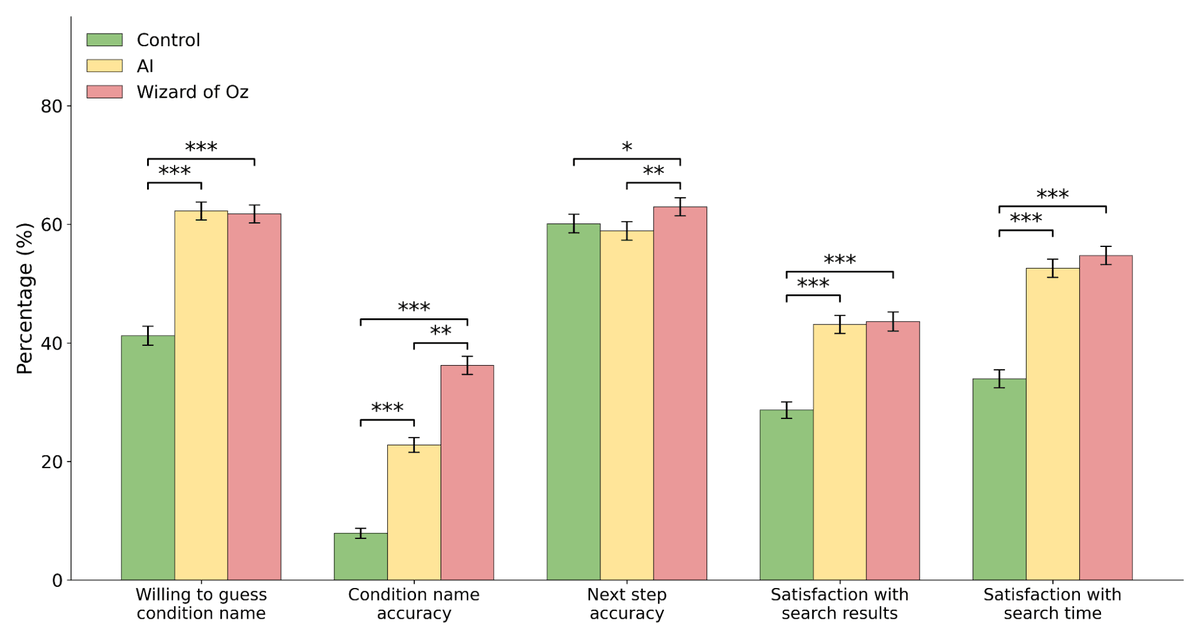
The short answer is yes, but with important caveats. The research covers a large-scale quantitative paper demonstrating increased ability to name conditions with AI assistance, as well as some benefits in determining what next steps to take, and an in-depth mixed-methods study addressing how people use these tools on their own skin concerns. Both papers are now published, and the results are more nuanced than a simple thumbs-up for AI-assisted dermatology.
The vocabulary problem no one talks about
The core challenge in consumer dermatology is not just access to information -- it is knowing what to search for in the first place. You might notice "red dots on legs" but lack the background knowledge to specifically search for "palpable purpura" -- the actual medical term. This is especially critical in dermatology, where a picture is crucial, and without the ability to share an image, people often struggle to find the words to describe what is going on.
This is the gap Google's AI tool was designed to close. Rather than asking users to describe their condition in text, the system takes an image as input and returns a scrollable carousel of matching conditions, each with textbook images, symptom details, and treatment information written by dermatologists.
A 2,345-person randomized trial


Don't miss what's next in AI
Join 300,000+ engineers and researchers who get the signal, not the noise.
- Full access to in-depth AI research breakdowns
- Be the first to know what's trending before it hits mainstream
- Daily curated papers, repos, and industry moves